Introduction
The oil and gas industry faces unprecedented challenges in laboratory operations—from managing complex testing workflows across multiple sites to ensuring strict regulatory compliance while maintaining operational efficiency. Traditional paper-based systems and legacy software solutions are no longer sufficient to meet the demanding requirements of modern petrochemical testing laboratories.
A specialized Laboratory Information Management System (LIMS) designed for the petrochemical sector has emerged as the cornerstone technology for laboratories seeking to optimize their operations, reduce costs, and maintain competitive advantage. This comprehensive guide explores how petrochemical LIMS transforms laboratory operations and why it's becoming indispensable for oil and gas testing facilities worldwide.
Understanding Petrochemical Laboratory Challenges
The Complexity of Oil & Gas Testing
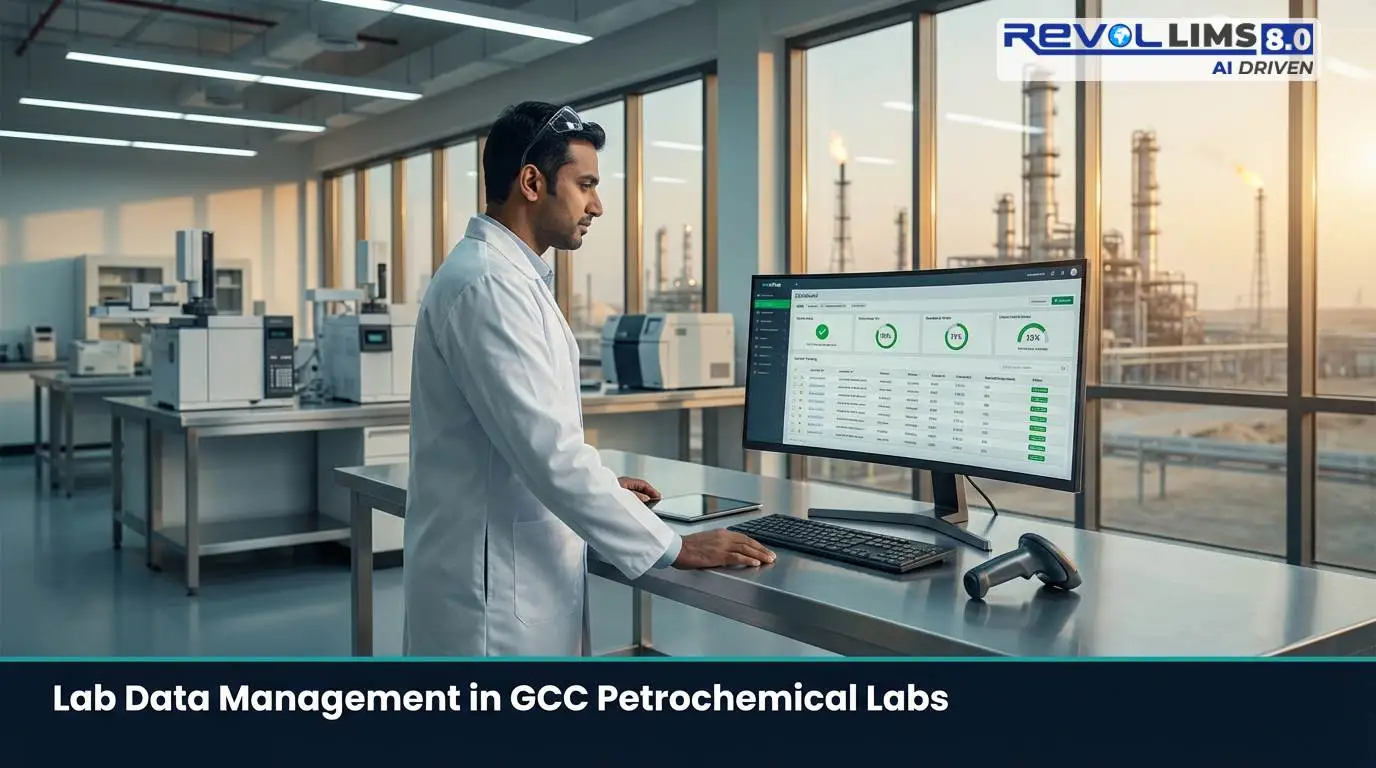
Petrochemical laboratories handle diverse testing requirements that span crude oil analysis, refined product quality control, environmental monitoring, and safety assessments. These facilities must:
- Manage hundreds of samples daily across multiple testing workflows
- Conduct complex analyses including chromatography, spectroscopy, and physical property testing
- Maintain chain of custody for samples from collection through disposal
- Coordinate testing across multiple laboratory locations and external partners
- Generate compliant reports that meet both internal standards and regulatory requirements
Regulatory Compliance Pressures
The petrochemical industry operates under stringent regulatory frameworks including ISO 17025, ASTM standards, API specifications, and EPA regulations. Laboratories face constant audits and must demonstrate:
- Complete traceability of all testing activities
- Validated testing methods and equipment calibration records
- Controlled access to data with comprehensive audit trails
- Electronic signature capabilities for critical approvals
- Compliance with data integrity principles (ALCOA+)
Operational Inefficiencies
Traditional laboratory management approaches create bottlenecks that impact productivity:
- Manual data entry errors leading to costly retesting
- Disconnected systems requiring duplicate data entry
- Limited visibility into sample status and testing progress
- Delayed report generation and approval cycles
- Inability to track key performance indicators in real-time
- Difficulty in managing instrument calibration and maintenance schedules
What is Petrochemical LIMS ?
A Petrochemical LIMS is a specialized Laboratory Information Management System engineered specifically to address the unique requirements of oil and gas testing laboratories. Unlike generic LIMS solutions, petrochemical LIMS platforms incorporate industry-specific workflows, testing methods, and reporting templates aligned with petroleum industry standards.
Core Capabilities
Sample Management Modern petrochemical LIMS solutions provide end-to-end sample tracking from field collection through final disposition. The system assigns unique identifiers, tracks storage locations, manages sample sub-division, and monitors shelf life—ensuring complete sample integrity throughout the testing lifecycle.
Workflow Automation Configurable workflows automate the progression of samples through various testing stages, automatically routing samples to appropriate instruments and analysts based on predefined rules. This eliminates manual scheduling and reduces the risk of testing delays or missed steps.
Instrument Integration Direct integration with laboratory instruments enables automatic data capture, eliminating manual transcription errors and accelerating data availability. The system supports chromatographs, spectrophotometers, titrators, and other analytical equipment common in petrochemical testing.
Quality Control Built-in statistical process control (SQC/SPC) capabilities monitor testing quality through control charts, trending analysis, and automated out-of-specification alerts. The system manages quality control samples, reference materials, and proficiency testing programs.
Compliance Management Comprehensive audit trails capture every action performed in the system, supporting regulatory compliance and facilitating audit preparation. Electronic signature capabilities ensure accountability for critical decisions and approvals.
Key Benefits of Petrochemical LIMS Implementation
1. Enhanced Operational Efficiency
Reduced Testing Turnaround Time Automation of routine tasks and elimination of manual data entry significantly accelerates sample processing. Laboratories implementing modern LIMS solutions report 30-50% reduction in testing turnaround times, enabling faster decision-making for critical operations.
Example: A major refinery laboratory reduced crude oil assay turnaround from 48 hours to 24 hours by implementing automated sample routing and instrument integration, allowing faster optimization of refinery operations.
Optimized Resource Utilization Real-time dashboards provide visibility into workload distribution, instrument utilization, and analyst productivity. Laboratory managers can identify bottlenecks, balance workloads, and optimize staffing levels based on actual demand patterns.
Minimized Manual Errors Automatic data capture from instruments and validation rules built into workflows virtually eliminate transcription errors. This reduces costly retesting and improves data reliability across all testing activities.
2. Improved Data Quality and Integrity
Standardized Testing Procedures LIMS enforces consistent execution of testing methods across all analysts and laboratory locations. Standard operating procedures are embedded in workflows, ensuring that every test follows the approved methodology regardless of who performs it.
Real-Time Data Validation Automated validation rules flag potential data quality issues immediately, allowing corrective action before results are reported. Range checks, trending analysis, and statistical evaluations occur automatically as data is captured.
Complete Traceability Every sample, test result, and approval is tracked with full chain of custody documentation. The system maintains connections between raw materials, intermediate products, and finished goods, supporting root cause analysis when quality issues arise.
3. Regulatory Compliance and Audit Readiness
FDA 21 CFR Part 11 Compliance For laboratories supporting pharmaceutical-grade petrochemical products, Revol LIMS provides electronic signature capabilities, audit trails, and system validation support required for FDA compliance.
ISO 17025 Alignment The system supports all technical requirements of ISO 17025 including method validation, equipment calibration management, proficiency testing, and measurement uncertainty calculations.
Simplified Audit Process When regulatory audits occur, all required documentation is instantly accessible through the LIMS. Auditors can review complete testing histories, verification of analyst qualifications, and evidence of equipment calibration without requiring extensive document preparation.
4. Cost Reduction and ROI
Reduced Reagent and Consumable Waste Inventory management modules track reagent usage, expiration dates, and reorder points—minimizing expired reagents and ensuring availability of critical materials. Laboratories report 15-25% reduction in reagent costs through better inventory control.
Lower Labor Costs Automation of routine tasks allows technical staff to focus on complex analyses rather than administrative work. Many laboratories redeploy staff to higher-value activities following LIMS implementation.
Decreased Retesting Costs Elimination of transcription errors and improved quality control reduces the frequency of failed samples and retesting requirements, directly impacting laboratory operating costs.
Energy Efficiency Optimized instrument scheduling reduces unnecessary equipment operation, lowering energy consumption and extending instrument life.
Essential Features of Modern Petrochemical LIMS
Configurable Analysis Workflows
Revol LIMS provides pre-configured workflows for common petrochemical tests including:
- Crude oil assays (distillation, API gravity, sulfur content)
- Refined product specifications (octane rating, vapor pressure, pour point)
- Environmental monitoring (emissions, wastewater quality)
- Additive and blending component testing
These workflows are fully configurable to accommodate laboratory-specific requirements and testing variations.
Multi-Site Laboratory Management
For petrochemical enterprises operating multiple testing facilities, Revol LIMS offers:
- Centralized data repository accessible across all locations
- Standardized methods and workflows deployed globally
- Consolidated reporting and analytics across the enterprise
- Flexible security models supporting regional compliance requirements
Mobile Accessibility
Modern web-based architecture ensures laboratory staff can access critical information from any device:
- Sample collection teams log samples directly from field locations
- Plant managers view testing status from mobile devices
- Laboratory technicians access procedures and enter data from tablets at the bench
- Quality managers approve results from any location
Advanced Analytics and Reporting
Dynamic Dashboards Real-time visualization of key performance indicators including:
- Sample backlog and aging analysis
- Testing turnaround time trends
- Instrument utilization and downtime
- Analyst productivity metrics
- Quality control performance
Configurable ReportsGenerate standard industry reports (ASTM, API) automatically, or create custom reports tailored to specific customer requirements. Reports incorporate your organization's branding and can be delivered automatically via email or through a secure client portal.
Comparative Analysis Trend testing results over time, compare performance across different product batches, or benchmark multiple laboratory locations to identify improvement opportunities.
Instrument and Asset Management
Comprehensive management of laboratory equipment including:
- Calibration scheduling and tracking
- Preventive maintenance planning
- Spare parts inventory
- Equipment qualification documentation
- Downtime tracking and root cause analysis
Reagent and Inventory Management
Control costs and ensure testing continuity through:
- Automated reorder notifications based on usage patterns
- Expiration date tracking with disposal reminders
- Lot tracking for reagents and reference materials
- Integration with procurement systems
Implementation Strategy for Petrochemical LIMS
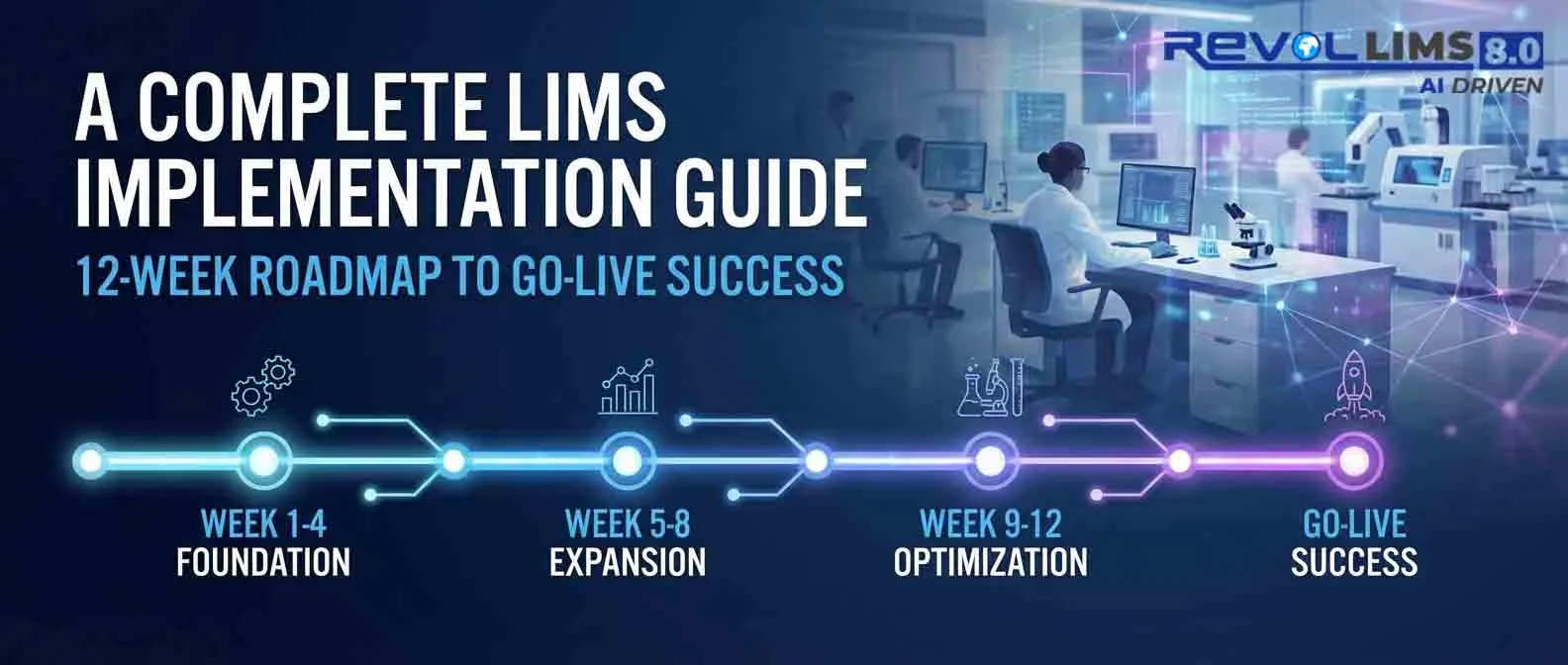
Phase 1: Planning and Requirements Definition (4-6 weeks)
Assess Current State Document existing laboratory processes, identify pain points, and establish baseline metrics for comparison post-implementation. Engage stakeholders across laboratory operations, quality assurance, IT, and business units.
Define Success Criteria Establish measurable objectives such as:
- 30% reduction in testing turnaround time
- 50% decrease in data transcription errors
- 100% electronic record keeping
- Achieving ISO 17025 accreditation within 12 months
Select Configuration Approach Determine which standard Revol LIMS workflows can be adopted with minimal customization and which processes require configuration to match existing laboratory practices.
Phase 2: System Configuration (8-12 weeks)
Master Data Setup Configure fundamental system elements:
- Test methods and specifications
- Sample types and collection procedures
- User roles and permissions
- Instrument interfaces
- Report templates
Workflow Configuration Build out analysis workflows matching laboratory operations, incorporating approval steps, quality control checkpoints, and result calculations specific to petrochemical testing.
Integration Development Establish connections with:
- Laboratory instruments (chromatographs, spectrometers, etc.)
- Enterprise resource planning (ERP) systems
- Document management systems
- Environmental monitoring systems
Phase 3: Validation and Training (4-6 weeks)
System Validation For regulated laboratories, execute installation qualification (IQ), operational qualification (OQ), and performance qualification (PQ) protocols demonstrating the system functions as intended.
User Training Conduct role-based training for:
- Sample receiving staff
- Laboratory analysts
- Quality control personnel
- Laboratory managers
- System administrators
Data Migration Transfer historical testing data, active samples, and reference information from legacy systems, ensuring data integrity through validation checks.
Phase 4: Go-Live and Optimization (Ongoing)
Phased Rollout Begin with a single testing area or sample type, validate performance, and progressively expand to additional workflows. This approach minimizes risk and allows learning from early implementation.
Performance Monitoring Track key metrics against baseline measurements to quantify improvements. Common metrics include:
- Average testing turnaround time
- Data accuracy rates
- Analyst productivity
- Instrument utilization
- Customer satisfaction scores
Continuous Improvement Leverage Revol LIMS's configurability to refine workflows based on user feedback and changing business requirements. Regular system reviews identify opportunities for additional automation and efficiency gains.
Real-World Impact: Industry Transformation
Accelerated Product Release
Faster testing cycles enable quicker release of finished products to customers. In the competitive petrochemical market, reducing product hold time by even a few hours can translate to significant competitive advantage and improved cash flow.
Quality Issue Prevention
Real-time quality control monitoring and trending analysis identify potential quality issues before they result in off-specification products. Early detection prevents costly rework, reduces waste, and protects brand reputation.
Regulatory Confidence
Complete audit trails and standardized procedures provide regulatory agencies with confidence in laboratory data integrity. This reduces the risk of regulatory findings and supports license renewals and expansion approvals.
Data-Driven Decision Making
Access to comprehensive historical testing data enables sophisticated analysis of product quality trends, supplier performance, and process optimization opportunities. Laboratory data becomes a strategic asset rather than simply a compliance requirement.
Sustainability and Environmental Responsibility
Optimized testing processes reduce consumption of reagents, energy, and other resources. Better inventory management minimizes waste from expired materials. These improvements support corporate sustainability goals while reducing operating costs.
Choosing the Right LIMS Partner
Industry Experience
Select a LIMS vendor with demonstrated expertise in petrochemical laboratory operations. Revol LIMS brings deep understanding of industry-specific requirements including:
- Standard test methods (ASTM, API, ISO)
- Regulatory compliance frameworks
- Common laboratory workflows
- Integration with refinery and petrochemical manufacturing systems
Implementation Methodology
Look for vendors offering structured implementation approaches with clear milestones, risk mitigation strategies, and defined success criteria. Revol's proven implementation methodology ensures projects stay on schedule and within budget.
Ongoing Support
Laboratory operations never stop, making reliable technical support critical. Evaluate vendors based on:
- Support availability (24/7 for critical issues)
- Response time commitments
- Expertise of support personnel
- Software update frequency and quality
Total Cost of Ownership
Consider not just initial licensing and implementation costs but ongoing expenses including:
- Annual maintenance and support fees
- Training for new users
- System administration requirements
- Upgrade costs
Revol LIMS's zero-footprint web architecture minimizes IT infrastructure costs while cloud deployment options further reduce total cost of ownership.
Future Trends in Petrochemical Laboratory Management
Artificial Intelligence and Machine Learning
Revol LIMS is pioneering the integration of AI capabilities including:
- Gen-AI-based chat assistants for sample logging and data queries
- Predictive maintenance for laboratory instruments
- Automated method optimization based on historical performance
- Intelligent sample scheduling to balance workload and minimize turnaround time
Advanced Data Analytics
Next-generation analytics capabilities will provide deeper insights from laboratoryvariate analysis of product quality factors
- Real-time correlation of laboratory results with production parameters
- Predictive quality modeling to anticipate specification failures
Internet of Things (IoT) Integration
Expanded connectivity with laboratory equipment and environmental monitoring systems will enable:
- Automated sample tracking through RFID tags
- Continuous monitoring of sample storage conditions
- Remote instrument diagnostics and performance monitoring
Cloud and Hybrid Deployment Models
Increased adoption of cloud-based LIMS deployments offers:
- Reduced IT infrastructure requirements
- Easier multi-site collaboration
- Automatic software updates
- Improved disaster recovery capabilities
Conclusion
Petrochemical LIMS has evolved from a sample tracking tool to a comprehensive laboratory management platform that drives operational excellence, ensures regulatory compliance, and delivers measurable business value. For oil and gas testing laboratories facing increasing complexity, cost pressures, and regulatory requirements, modern LIMS implementation is no longer optional—it's essential for remaining competitive.
Revol LIMS offers a proven, industry-specific solution incorporating decades of petrochemical laboratory expertise with cutting-edge technology including AI-powered capabilities, mobile accessibility, and comprehensive compliance support. Whether you operate a single quality control laboratory or manage testing across a global petrochemical enterprise, Revol LIMS provides the foundation for operational transformation.
The laboratories that embrace digital transformation through LIMS implementation will lead their organizations into a future characterized by faster decision-making, higher quality products, and more efficient operations. The question isn't whether to implement a petrochemical LIMS, but how quickly you can realize these benefits for your laboratory.
Take the Next Step
Ready to transform your oil and gas laboratory operations? Request a personalized demo of Revol LIMS to see how our petrochemical-specific capabilities can address your unique laboratory challenges. Our team of experts will work with you to understand your requirements and demonstrate how Revol LIMS delivers measurable improvements in efficiency, compliance, and data quality.
Contact us today to begin your laboratory transformation journey.